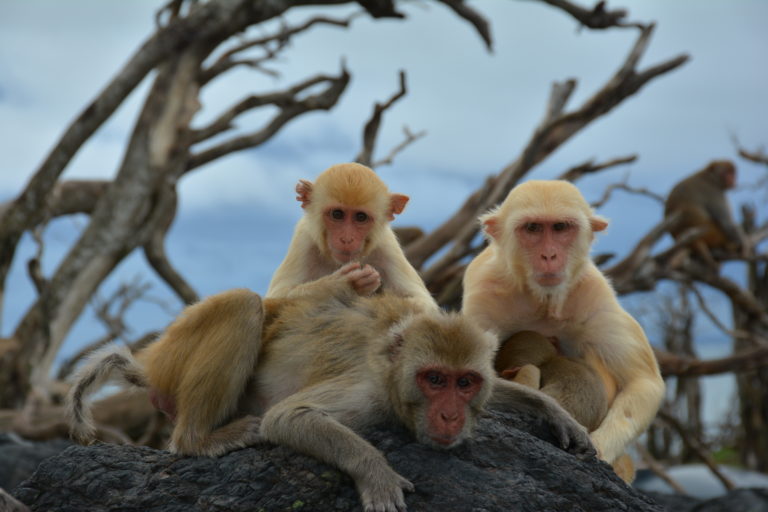
Our research identifies the molecular mechanisms through which social adversity and environmental stressors "get under the skin" to alter physiology and survival. We bridge behavioral ecology and genomics in two models:
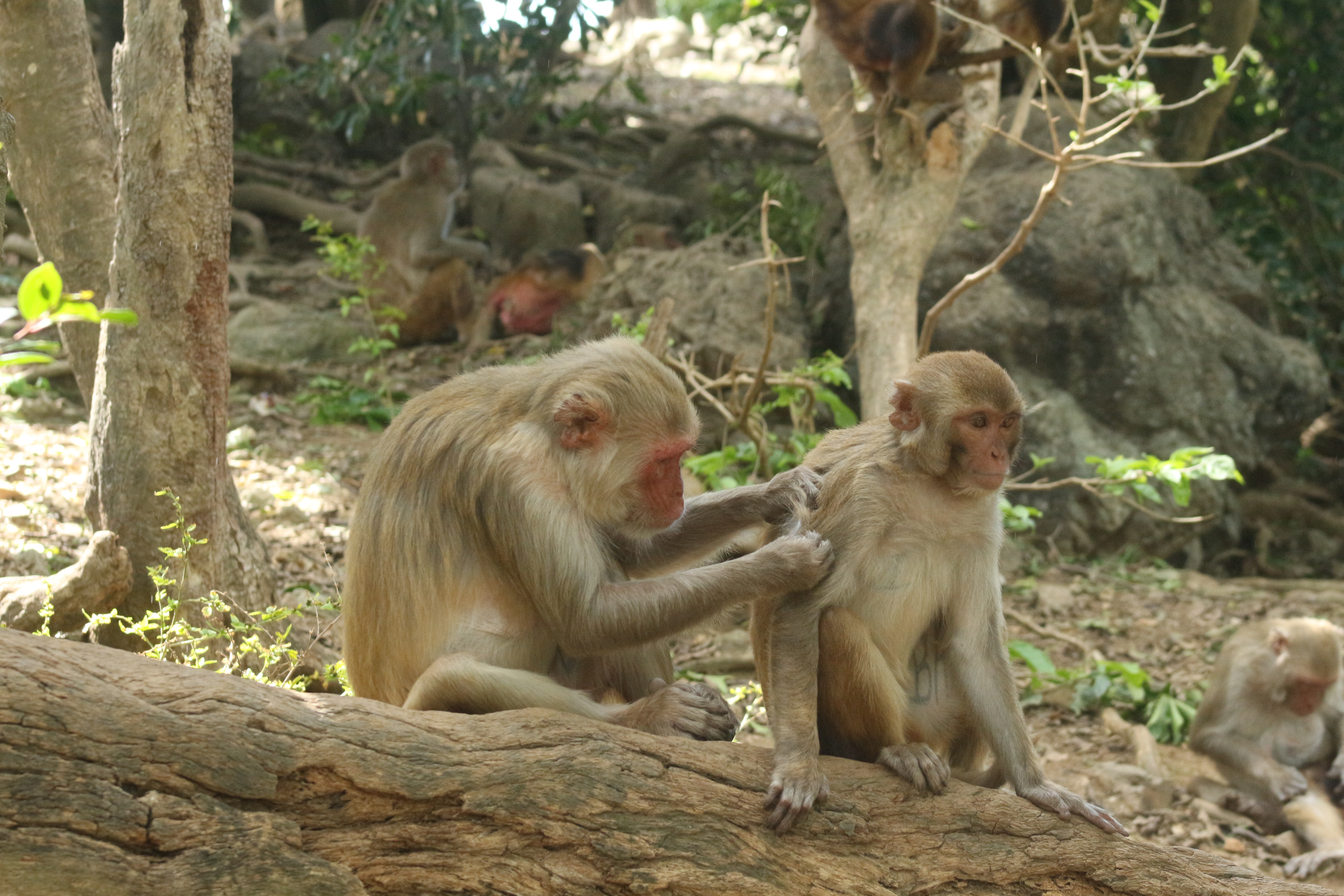
As part of the NIH BRAIN Initiative, we are mapping the cellular changes that define the aging brain. Using single-cell molecular technologies, we aim to understand cell-type-specific vulnerabilities to neurodegeneration.
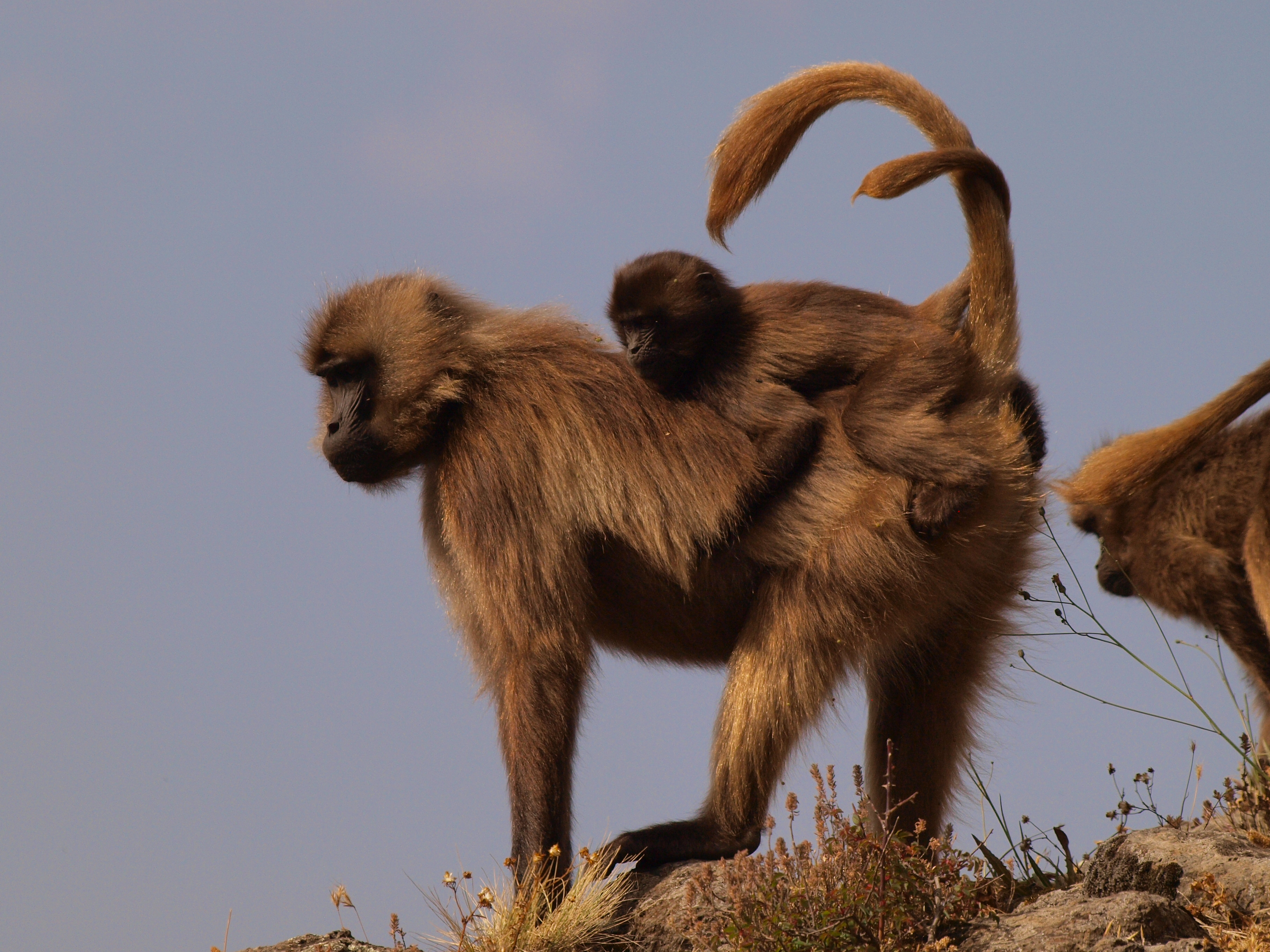
We examine the molecular and physiological adaptations that help organisms thrive at the edge of their physiological limits, focusing on high-altitude populations in the Ethiopian highlands.

We leverage comparative frameworks to understand how sociality impacts health and lifespan. By looking across species, we identify universal biological principles of aging and the unique ways different organisms are impacted by their social environments.
We work with diverse species in both free-ranging and domestic environments to address fundamental questions in evolutionary biology and geroscience.
Leveraging decades of data from the Cayo Santiago population to study lived experience and gene regulation across the lifespan.
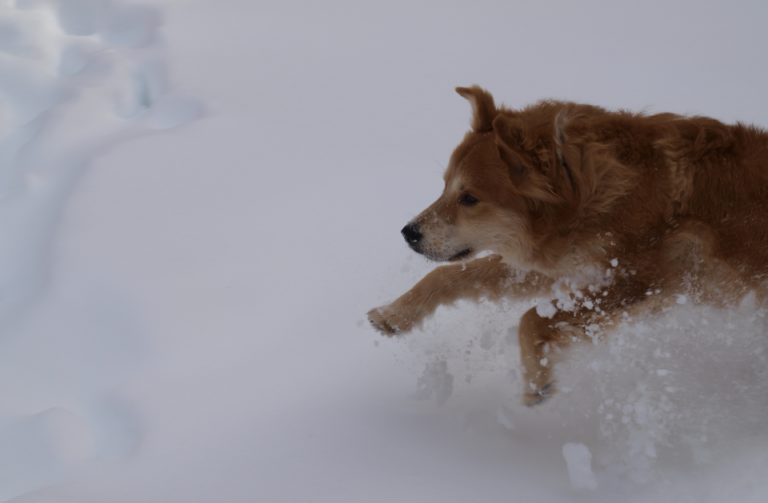
Working with the Dog Aging Project to understand molecular aging in animals that share our homes, medical care, and environmental stressors.
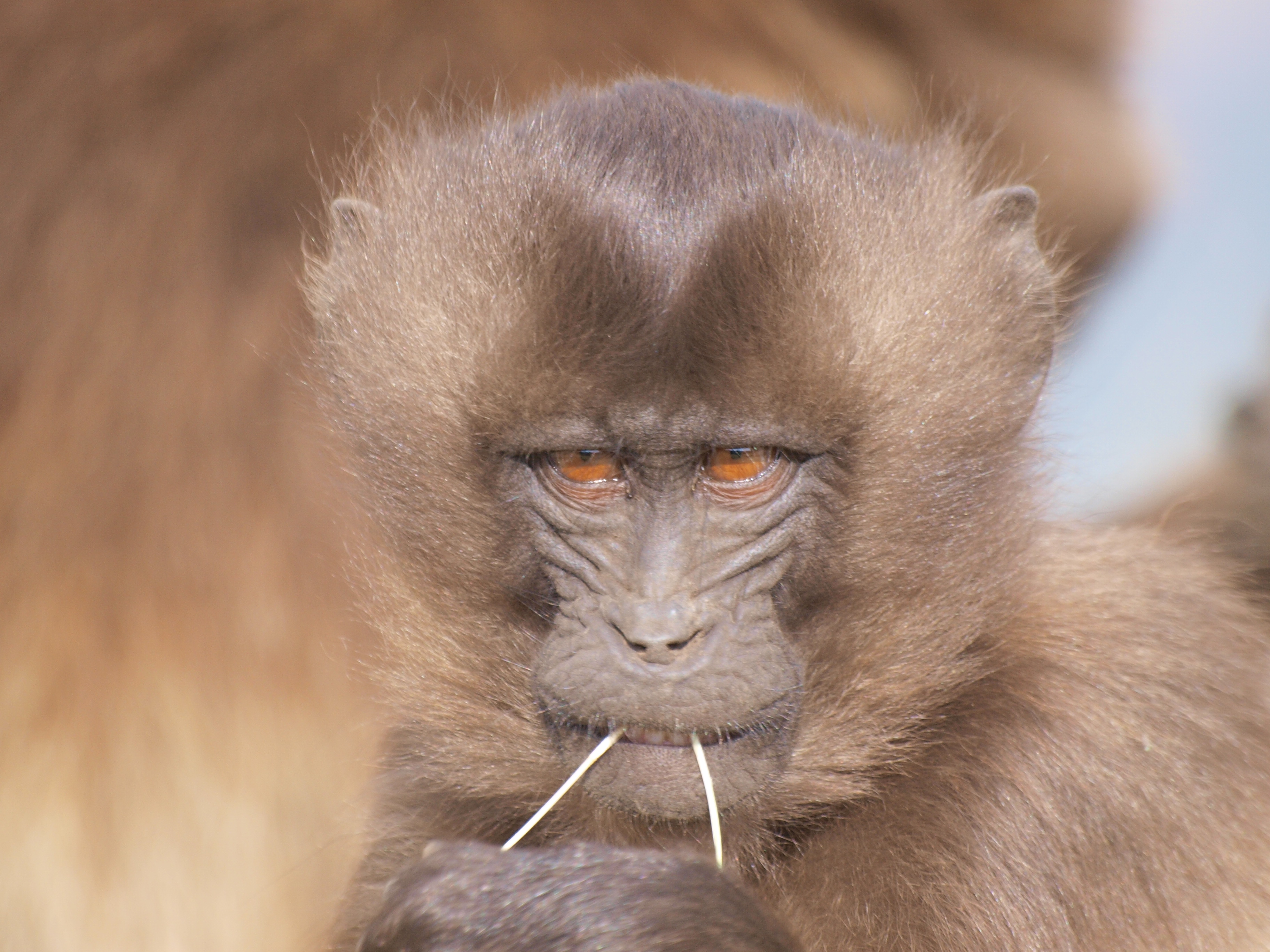
Investigating the genomic signatures of adaptation to the extreme high-altitude environments of the Ethiopian highlands.
Our research program is powered by a multidisciplinary approach that bridges field biology with high-throughput molecular discovery.
Integrating transcriptomics, epigenetics, and systemic immunology to map the interaction between environment and the body.
Developing bioinformatic pipelines and statistical tools to track health trajectories in population-scale biological datasets.
Placing molecular findings in a long-term evolutionary context through field-based behavioral and demographic observations.
Our research is made possible through the generous support of several federal agencies and foundations.